
How Does Occupational Therapy Help My Child?
If you’re wondering how occupational therapy (OT) can help your child, you’re not alone. Many parents notice their child struggling with everyday tasks such as getting dressed, coping with emotions, keeping up at school, or managing sensory overload - and aren’t sure where to turn.
Occupational therapy helps children build the practical, emotional, sensory and motor skills they need to participate confidently in everyday life; at home, at school and in the community.
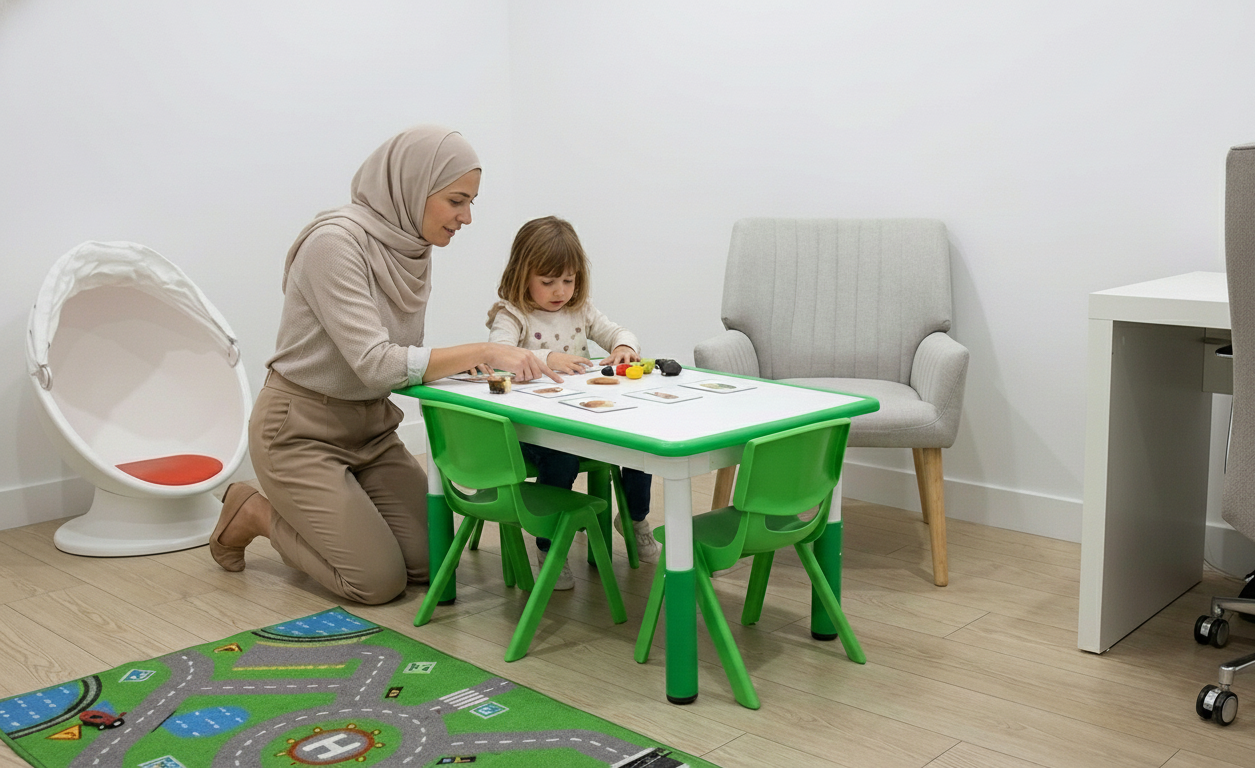
Medicine adds days to lives, occupational therapy adds life to days.
“Occupational Therapy is where science, creativity, and compassion collide”
What Is Occupational Therapy for Children?
Occupational therapists are university-trained allied health professionals who support children and teens to develop the skills needed for daily activities - often referred to as “occupations”.
For children, this includes:
Self-care (dressing, eating, hygiene)
Play and leisure
Learning and school participation
Emotional regulation and behaviour
Sensory processing
Fine and gross motor skills
Social interaction and independence
Occupational therapy is about supporting them to function, participate and thrive in their own way.
How Occupational Therapy Helps Children (In Simple Terms)
Occupational therapy helps your child by:
Identifying what’s making everyday tasks hard
Understanding your child’s strengths and challenges
Teaching skills in a practical, child-friendly way
Adapting tasks or environments to reduce stress
Supporting emotional regulation and confidence
Therapy is always individualised and goal-focused, based on what matters most to your child and family.
What Can Occupational Therapy Help With?
Occupational therapy can support children and teenagers across many areas of development.
1. Everyday Self-Care Skills
OTs help children develop independence with tasks such as:
Dressing and undressing
Feeding and using utensils
Toileting routines
Brushing teeth and personal hygiene
These skills build confidence and reduce daily stress for families.
2. Fine and Gross Motor Skills
If your child finds it hard to:
Hold a pencil
Cut with scissors
Write or colour
Run, jump, climb or balance
An occupational therapist can help strengthen coordination, muscle control and motor planning.
3. Sensory Processing and Regulation
Some children are very sensitive to noise, touch, movement or busy environments.
OTs help children:
Understand their sensory needs
Develop coping strategies
Improve emotional regulation
Feel calmer and more organised in their bodies
This is especially helpful for children with sensory sensitivities, anxiety or neurodivergent profiles.
4. Emotional Regulation and Behaviour
Occupational therapy supports children to:
Recognise and express emotions
Manage big feelings safely
Cope with change and transitions
Build resilience and self-regulation
Therapy focuses on skills, not punishment, and always considers a child’s developmental stage.
5. School and Learning Participation
OTs work closely with families and schools to support:
Attention and concentration
Classroom routines
Organisation and task completion
Participation in learning activities
Support may happen in the clinic, at school, or through practical strategies parents and teachers can use every day.
“Occupational Therapy. Hopeless into hope. Can’t into can. Impossible into possible.”
Which Children Benefit from Occupational Therapy?
Occupational therapy can support children who experience challenges related to:
Developmental delay
Autism
ADHD
Anxiety or emotional regulation difficulties
Learning differences
Physical disability
Intellectual disability
Injury or illness
You don’t need a diagnosis for your child to benefit — early support can make a significant difference.
What Happens in an Occupational Therapy Session?
Sessions are:
Play-based (especially for younger children)
Individualised to your child’s goals
Strengths-focused
Practical and engaging
Occupational therapists may work:
One-on-one
In small groups
At home, school or in the community
Parents and carers are often actively involved, so strategies can be used beyond the therapy room.
Do Parents Need a Referral for Occupational Therapy?
In most cases, you don’t need a GP referral to see an occupational therapist.
However, a referral may be helpful if:
You’re accessing Medicare, NDIS or private health funding
You want coordinated care with other professionals
Your GP or child health nurse can help guide you if you’re unsure.
How Occupational Therapy Supports the Whole Family
Occupational therapy is family-centred, meaning therapists consider:
Your child’s home environment
Family routines
Cultural values
What’s realistic and sustainable for your family
The goal isn’t just progress in sessions — it’s meaningful change in everyday life.
When Should I Consider Occupational Therapy for My Child?
You might consider OT if you notice your child:
Struggling with everyday tasks compared to peers
Becoming easily overwhelmed or distressed
Avoiding play, school or social situations
Having difficulty with coordination or fine motor skills
Experiencing emotional or sensory challenges
Trust your instincts — early support can prevent challenges from becoming bigger over time.
How We Support Children at True North Therapy Hub
At True North Therapy Hub, our occupational therapists support children and teens aged 0–18 years using evidence-based, child-centred and strengths-focused approaches.
We work closely with families, schools and other professionals to ensure therapy is practical, supportive and aligned with your child’s needs.
📩 If you’re wondering whether occupational therapy is right for your child, we’re here to help.
